North Texas summers test every roof. Sunlight beats down for months, temperatures swing hard between day and night, and HVAC systems push nonstop. For Rockwall property owners, this raises a practical question: when does a cool roof make financial sense? The answer depends on building type, utility rates, roof condition, and the quality of installation. For many commercial roofs in Rockwall 75087 and the surrounding 75032 lakefront communities, the payback can be clear and measurable.
This article explains how cool roof systems work, when they deliver the strongest return, and how SCR, Inc. General Contractors approaches energy efficient roofing for local businesses and high-end homes. It focuses on simple, straight talk with enough detail to help an owner make a confident decision. It also shows what real-world crews look for on flat and low-slope roofs across Rockwall County, from The Harbor and Northshore to Buffalo Creek and Stone Creek.
The case for cool roofing in Rockwall, TX
Rockwall sits on the eastern shore of Lake Ray Hubbard, with dense retail along The Harbor and heavy traffic on the I-30 corridor. Warehouses, office parks, and retail centers absorb intense solar radiation. Dark roofs hold heat, which drives higher interior temperatures and longer AC run times. Many older roofs also lack continuous insulation, so heat travels into the structure even after sunset.
Cool roof systems reverse that load. They reflect a high percentage of sunlight and shed stored heat faster. The outcome is lower rooftop temperatures and less stress on rooftop AC units. In field measurements across North Texas, a white silicone or TPO surface can run 40 to 60 degrees cooler at peak sun than a dark asphalt or aged EPDM surface. That difference often trims cooling demand during the most expensive hours of the day, which is where payback lives.
Property managers in Rockwall report secondary benefits. Employees notice fewer hot spots under the roof deck. Inventory areas stay more stable. Roof membranes show fewer thermal stress cracks. On some buildings, the reduction in heat around RTUs extends compressor life, which delays capital replacement and reduces emergency calls during July and August.
What a cool roof actually is
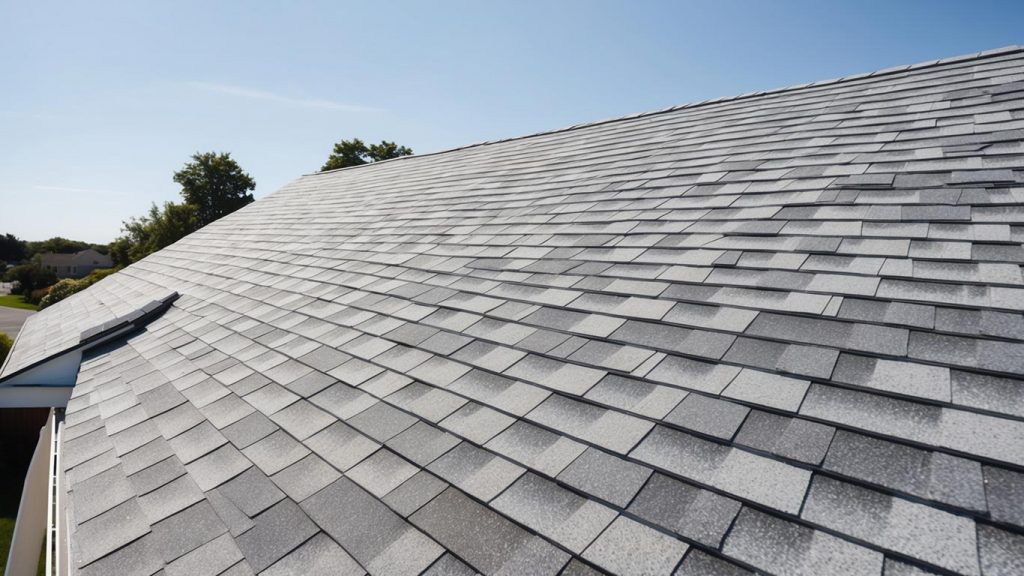
The term “cool roof” covers reflective membranes and coatings that achieve high solar reflectance and high thermal emittance. Solar reflectance means the surface bounces sunlight away. Thermal emittance means the material releases absorbed heat fast. A strong system does both well.
Common cool roof systems in Rockwall include white TPO and PVC membranes, silicone and acrylic coatings over existing roofs, and metal roofs finished with reflective paints. Each has a role, and the right selection depends on roof condition, ponding water, budget, and the owner’s long-term plan.
SCR, Inc. installs and restores energy efficient roofing with premium, CRRC-rated products. The crews use high-solids silicone coatings and reinforced TPO membranes to create a continuous weather and heat barrier. Where needed, they add polyisocyanurate (Polyiso) insulation boards to raise R-value and flatten irregular surfaces. For roof edges, parapets, and penetrations, they install compatible flashing, primer, and seam tape so the reflective surface stays watertight.
When a cool roof pays off fastest
Payback depends on usage, roof area, and HVAC load. In Rockwall, the strongest returns often appear in these situations:
- Flat or low-slope commercial roofs over air-conditioned space. Large single-story buildings with open interiors see clear gains because the surface area is high and the heat load is direct. Buildings with long cooling seasons or demand charges. If the utility bill spikes between 3 and 7 pm in summer, a reflective surface that reduces peak load can cut total cost more than an annual average suggests. Roofs with working RTUs close to the surface. Lower rooftop temperatures reduce air temperature entering the condenser coils. This improves efficiency and reduces strain. Aging roofs in good structural shape. If the membrane is dry, the deck is stable, and the roof holds good attachment, a reflective restoration may defer a tear-off for 10 or more years, which is a capital win.
Homes with low-slope sections over garages or additions can see benefits too, though residential savings vary more with attic ventilation, attic insulation depth, and shading from trees. In Rockwall neighborhoods like Chandlers Landing and Shores on Lake Ray Hubbard, a bright standing-seam metal roof with a high-reflective finish can lower attic temperatures and help AC units cycle less often during peak heat.
Symptoms that signal the need for a cool roof
Owners call SCR, Inc. with a familiar set of problems. High energy bills in July and August. Hot ceiling tiles under the midday sun. AC units short-cycling or failing during heat waves. Roof bubbles, open seams, or cracks from daily expansion and contraction. These are classic signs of thermal shock and UV damage.
If a warehouse is suffering from thermal shock or skyrocketing cooling costs, a high-reflectivity cool roof is a practical fix. Reflective coatings slow surface temperature rise. Reinforced TPO or PVC membranes resist UV breakdown and heat-aging. With proper drainage and details around penetrations, the entire system handles Texas heat and storms with fewer leaks and less movement.
Ponding water adds another variable. Acrylic coatings do not like standing water. Silicone membranes tolerate ponding better and hold reflectivity longer under wet conditions. In areas where scuppers or drains cannot be reworked immediately, silicone can be the safer choice. The crews inspect scuppers, check for clogged leaders, and evaluate slope before recommending a system.
Materials that deliver in North Texas
There is no one-size answer for energy efficient roofing. The best solution is the system that fits the building, the budget, and the desired service life. For Rockwall, the most common high-performance options include:
- TPO and PVC membranes. These single-ply systems offer high solar reflectance, weldable seams, and strong chemical resistance. They handle foot traffic when reinforced with walkway pads and protect well under intense UV. Silicone roof coatings. High-solids silicone keeps reflectivity, resists ponding water, and bonds to many aged substrates after proper prep and primer. It often restores watertightness without a full tear-off. Acrylic roof coatings. Cost-effective on roofs with positive drainage. They deliver good reflectivity and are often used in multi-coat systems with fabric reinforcement at seams and details. Insulation upgrades. Polyiso boards increase R-value with limited weight. Expanded polystyrene (EPS) may be used in tapered layouts to move water to drains and remove ponding areas. Metal systems. Standing-seam metal with a cool-color finish can combine long life with energy savings, especially on office and retail buildings near The Harbor Rockwall where architectural appearance matters.
SCR, Inc. works with Duro-Last, GAF, Carlisle SynTec, Mule-Hide, and other Energy Star and CRRC-rated brands. For superior leak protection and energy savings, many owners choose the Duro-Last “World’s Best Roof” PVC system. As factory-certified installers for Duro-Last and GAF, the team offers NDL warranties on energy-efficient TPO and PVC systems. They also specify Mule-Hide and Firestone Building Products where the substrate and building use call for those assemblies.
How a reflective system helps your HVAC
On many commercial roofs in Rockwall, rooftop AC units sit only a few inches above the membrane. On a dark roof, surface temperatures can exceed 160°F in late afternoon. That heat raises the ambient air around the RTUs and forces compressors to work harder. A cool roof can drop the surrounding temperature and reduce discharge pressures. Over time, that extends compressor life and reduces nuisance trips.
SCR, Inc. often pairs cool roof installations with small airflow and sealing improvements around units and curb flashings. This keeps hot air from recycling around the condenser. On diagnostic visits, the team uses infrared thermal cameras to spot hot spots, saturated insulation, and hidden leaks near mechanical curbs. These details add up to measurable performance gains and fewer installing cool roof systems emergency calls during August.
Local context: Rockwall’s commercial roof reality
Rockwall is a rapidly growing commercial hub. Retail and dining at The Harbor and along San Jacinto Plaza attract heavy traffic. The I-30 corridor carries steady truck flow to distribution points. Office parks in Buffalo Creek and light industrial areas near Northshore and Stone Creek have wide, low-slope roofs that face direct sun for most of the day.
SCR, Inc. serves building owners throughout Rockwall 75087 and the lakefront 75032 communities, as well as nearby Fate, Heath, Rowlett, Royse City, Forney, Terrell, Wylie, Garland, and Greenville. The crews are frequently seen on commercial projects along the I-30 corridor and near The Harbor Rockwall. They understand how lake-effect breezes combine with high humidity to stress seams and edges. They plan details around parapet walls, scuppers, and long expansion runs to prevent peel-back and water intrusion during wind-driven storms.
The science in simple terms
Energy efficient roofing relies on two core measurements: solar reflectance and thermal emittance. Solar reflectance describes how much sunlight the surface reflects. Thermal emittance describes how quickly the material releases absorbed heat. A roof with high values in both categories runs cooler and reduces heat transfer into the building.
Add insulation and the effect increases. Polyiso insulation boards under a white TPO membrane form a total building envelope layer on the roof plane. Heat stays out, and interior temperatures stabilize. When combined with sealed ductwork and correct attic or plenum ventilation, the building holds comfort with less mechanical effort.
For coatings, adhesion and film build matter. SCR, Inc. specifies primers matched to the existing surface, be it aged modified bitumen, granular cap sheet, or metal. Reinforced fabric at seams, penetrations, and transitions reduces movement cracks. Top coats with high solids deliver the film thickness needed for durability. For roofs that hold water, silicone is preferred. For roofs with strong drainage, acrylic offers a cost-effective, reflective finish.
Signs a cool roof is the right next project
Owners do not need guesswork. A site visit answers most questions in one pass. The evaluation covers roof age, membrane type, deck condition, ponding water, penetrations, and existing insulation. The team checks for open seams, alligatoring, and UV chalking. Infrared scans at dusk can reveal trapped moisture under the membrane. If the roof is saturated, a full or partial tear-off may be required before any reflective system can perform.
If the roof is dry and structurally energy efficient roofing sound, a cool roof restoration or a new reflective membrane can go forward with minimal disruption. The cost gap between a coating and a tear-off is often significant, which changes ROI. SCR, Inc. helps owners compare warranty terms, energy impact, and projected lifecycle cost so the choice fits current business goals.
Brands, credentials, and why they matter
Rockwall owners value clear standards and strong warranties. SCR, Inc. installs systems from GAF, Owens Corning, CertainTeed, Firestone Building Products, Duro-Last, Carlisle SynTec, Mule-Hide, Conklin Roofing Systems, and Sto Corp where coatings interface with walls. The company maintains CRRC-rated product lines and Energy Star listings where applicable. It holds GAF Master Elite status for shingle work on steep-slope sections and is BBB accredited.
Many projects involve HVAC-adjacent work. The team includes NATE-certified professionals for the overlap between roofing and rooftop mechanicals. SCR, Inc. also employs former insurance adjusters who understand hail and wind claims, code upgrades, and paperwork that can affect project timing and scope. As a member of The Good Contractors List with a $10,000 quality guarantee, SCR, Inc. stands behind every cool roof project.
A quick path from inspection to results
Most commercial cool roof projects follow a simple arc. First, an on-site energy and moisture assessment with photos, core samples if needed, and an infrared scan. Second, a scope that outlines substrate prep, primer, seams, flashing, and the reflective system. Third, scheduling around business hours to limit disruption. Fourth, installation with daily progress updates, punch out, and final QA including adhesion checks and wet mil readings for coatings or weld tests for TPO and PVC.
Owners often ask about timing. In Rockwall, spring and fall offer stable conditions for installation. Summer work is possible with early starts and proper cure windows for coatings. Winter work proceeds with care around temperature thresholds and dew point. The crews watch wind forecasts along Lake Ray Hubbard to plan safe material handling on wide roof spans.
Cost, ROI, and what to expect
Every roof is different, but there are common ranges. Reflective coating restorations usually cost less than full tear-offs and can extend a roof’s life by 10 or more years when maintained. Full single-ply replacements cost more upfront but deliver long warranties and durable seams. Energy savings vary with hours of use and equipment. Many Rockwall buildings see cooling cost reductions in the 10 to 30 percent range during peak months. Some owners report up to 30 percent annual savings depending on occupancy and interior loads.
The best ROI often combines a reflective surface with targeted insulation upgrades, corrected drainage, and improved detailing around RTUs and skylights. These steps cut both energy and maintenance costs. They also reduce the risk of leaks that damage interiors and disrupt operations.
Where cool roofs meet local design
A reflective roof does not have to look clinical. Duro-Last, GAF, and Carlisle offer clean, bright finishes that fit modern retail and office aesthetics near The Harbor and San Jacinto Plaza. For visible steep-slope sections on high-end homes in Heath or Breezy Hill, cool-coated metal in light grays and off-whites blends well with stone and stucco while still reflecting heat. On industrial buildings along the I-30 corridor, white single-ply membranes keep the focus on function and energy savings.
Maintenance that protects your return
A cool roof is not a set-and-forget asset. Twice-yearly inspections catch minor issues before they become leaks. The checklist is simple: clear drains and scuppers, check flashing at walls and curbs, verify sealant at terminations, inspect seams and walkway pads, and remove debris around RTUs. If the building hosts solar panels, coordinate panel maintenance with roof checks to protect both systems.
Silicone and acrylic systems benefit from periodic cleaning to keep reflectivity high. Dirt and biological growth reduce performance. Gentle washing with approved cleaners restores the surface. For single-ply membranes, surface cleaning and protective treatments can hold reflectance and slow dirt pickup.
Energy Efficient Roofing FAQ
Does a cool roof really lower AC bills in Rockwall?
Yes. By reducing rooftop temperatures and heat transfer, cool roofs lower cooling demand, especially during late afternoon peaks. Savings vary by building, but many local properties see double-digit percentage reductions in summer cooling costs.
What is the ROI on a reflective roof coating vs. a full replacement?
A coating restoration often carries a lower upfront cost and can deliver strong short-term savings if the existing roof is dry and stable. A full TPO or PVC replacement costs more but offers longer warranties, welded seams, and a fresh insulation plan. SCR, Inc. provides both options with annualized cost comparisons.
Are there local or federal incentives for energy efficient commercial roofing?
Incentives change. Certain assemblies may qualify for Section 179 deductions or local utility rebates in some years. The team can share current programs during your assessment and coordinate any required documentation.
Will a cool roof help my HVAC equipment last longer?
Lower surface temperatures reduce ambient heat around rooftop units. This often lowers head pressure, reduces run time, and can extend compressor and fan life. Many owners notice fewer emergency calls during heat waves after a cool roof upgrade.
How does ponding water affect my options?
Where water sits longer than 48 hours, silicone coatings are more reliable than acrylic. SCR, Inc. also recommends improving drainage with tapered insulation, scupper adjustments, or added drains where feasible to protect service life.
Why SCR, Inc. for cool roof systems in Rockwall County
Local experience matters. SCR, Inc. has spent years solving roof heat issues across Rockwall, Fate, and Heath, from the lakefront microclimate to the open industrial zones along I-30. The company installs CRRC-rated, Energy Star-listed systems from trusted brands and backs projects with meaningful warranties. It brings NATE-certified expertise on rooftop mechanical interactions and the practical insight of former insurance adjusters who understand storm claims and building codes.
The team encourages owners to start with data. Request a free Thermal Roof Inspection to see exactly where your building is losing energy. The assessment uses infrared thermal cameras to identify wet insulation, hot spots, and mechanical heat recirculation. With those findings, SCR, Inc. will provide a clear proposal covering reflective coatings, TPO or PVC membranes, insulation upgrades, and detail work at penetrations and edges.
Ready to cool your roof and control your costs
Cool roof systems pay off when they match the building’s use, fix known weaknesses, and support the HVAC strategy. In Rockwall 75087 and 75032, that often means reflective TPO or PVC, silicone restoration on sound substrates, and targeted insulation improvements. From large retail roofs in Northshore to office parks in Buffalo Creek, SCR, Inc. delivers localized solutions that survive Texas heat and protect the bottom line.
Beat the Texas heat with Rockwall’s leading cool roof experts. Reduce your energy footprint and protect your commercial investment with science-backed, reflective roofing systems from SCR, Inc. Get a free energy audit and quote today, and see how much a properly designed cool roof can save over the next cooling season.
SCR, Inc. General Contractors provides roofing, remodeling, and insurance recovery services in Rockwall, TX. As a family-owned company, we handle wind and hail restoration, residential and commercial roofing, and complete construction projects. Since 1998, our team has helped thousands of property owners recover from storm damage and rebuild with reliable quality. Our background in insurance claims gives clients accurate estimates and clear communication throughout the process. Contact SCR for a free inspection or quote today.
SCR, Inc. General Contractors
440 Silver Spur Trail
Rockwall,
TX
75032,
USA
Phone: (972) 839-6834
Website: https://scr247.com/, Storm damage roof repair
Map: View on Google Maps
Social Media: Yahoo Local