Cool roof systems make sense in North Texas. Long hours of sun, triple-digit highs, and wide day-night temperature swings punish dark, heat-absorbing roofs. A cool roof uses high solar reflectance and high thermal emittance to push heat away. The result is a cooler building, steadier HVAC performance, and lower summer electric bills. Below is a clear walk-through of what Rockwall property owners can expect, from the first inspection to the energy efficient roofing final quality check, with practical notes for both commercial and residential buildings.
Why North Texas Buildings Benefit
Rockwall sits on the eastern shore of Lake Ray Hubbard and sees intense solar radiation from late spring through early fall. Roof temperatures on dark membranes can spike well above 150°F. That heat drives up attic or plenum temperatures, pushes rooftop AC units to run longer, and shortens the life of many roof materials through thermal shock. Reflective, energy efficient roofing reduces surface temperatures and slows expansion and contraction cycles. That balance matters for large retail centers, low-slope warehouses, and office parks near the I-30 corridor, and it helps homes in neighborhoods like Chandlers Landing, Breezy Hill, and Buffalo Creek.
A quick primer on cool roof science
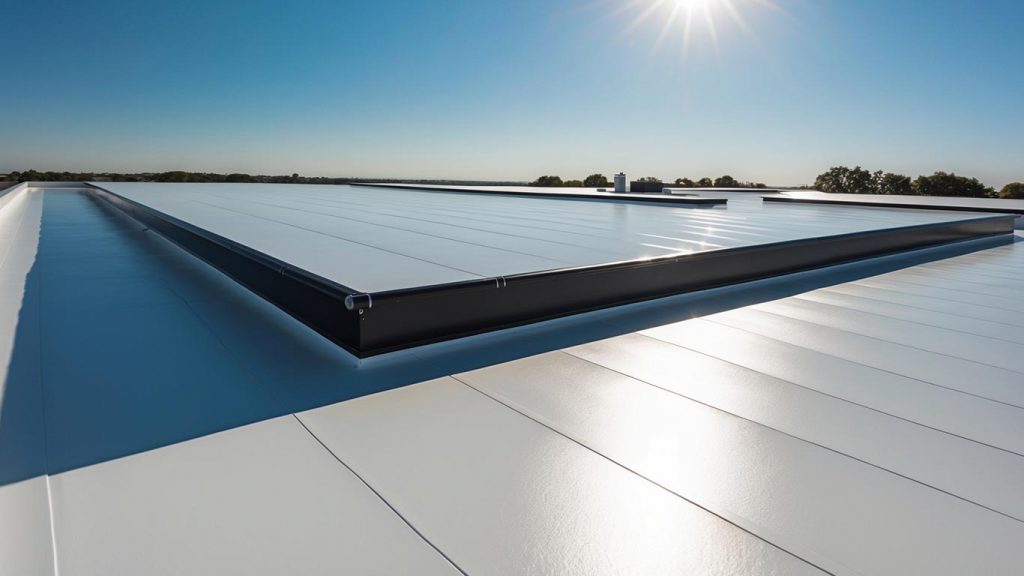
Every cool roof system rests on two measures: solar reflectance and thermal emittance. Reflectance refers to how much sunlight bounces off the roof. Emittance describes how well the roof releases absorbed heat. High numbers in both categories keep roof temperatures lower. White or light-color TPO and PVC membranes score high. Modern silicone and acrylic roof coatings over existing metal or single-ply roofs can reach impressive values as well.
Numbers vary by product line and color, yet reputable membranes and coatings listed with the Cool Roof Rating Council (CRRC) and Energy Star deliver consistent performance. For planning, building owners often see roof surface temperatures 40 to 60 degrees cooler under peak sun compared with aged black EPDM or asphalt.
The on-site assessment
A thorough inspection starts the process. The crew evaluates substrate condition, slope and drainage paths, flashings, scuppers, curb details at rooftop AC units, and the state of seams and penetrations. On commercial projects in Rockwall 75087 and 75032, SCR, Inc. often uses infrared thermal cameras during evening hours to spot trapped moisture, saturated insulation, or hidden leak paths. That step informs whether a restoration coating will perform or if a recover or full replacement is smarter.
The team documents UV damage, cracking from thermal shock, ponding areas after summer storms, and any weak points around rooftop equipment or solar panel mounts. If a roof has trapped water in the system, the plan may include selective tear-out, drying, and a new insulation layer before a new membrane or coating.
Options that fit Rockwall buildings
Cool roof systems fall into several proven categories. Low-slope commercial roofs often go with white TPO, PVC, or a high-solids silicone or acrylic coating over a sound existing roof. Metal roofs can be restored with elastomeric or silicone membranes that seal seams and fasteners. Steep-slope homes in neighborhoods like Stone Creek and Northshore can use high-reflectance shingles or cool metal profiles.
Material choice hinges on the roof’s condition, slope, foot traffic, budget, and installation timeline. SCR, Inc. installs systems from brands with strong local support and clear warranty terms. GAF and Mule-Hide provide reliable TPO lines. Carlisle and Duro-Last offer premium PVC membranes with strong track records on chemical resistance and seam durability. For a commercial client facing aggressive UV and ponding near the I-30 corridor, a high-solids silicone coating often performs well because silicone tolerates standing water better than acrylic.
What happens before installation day
After the assessment, the team prepares a scope with photos, core sample notes, and a clear path: repair, restore, recover, or replace. Many Rockwall owners appreciate phased plans that protect operations during the work. The proposal outlines insulation strategy, such as adding polyisocyanurate board to raise R-value, and details on seam tape, flashing upgrades, primers for adhesion, and any plan to rework scuppers for better drainage. For homes, the plan covers attic ventilation and radiant barrier conditions so the cool roof can work as part of an efficient envelope.
Scheduling aligns with weather patterns to protect adhesion windows and cure times. Summer mornings often provide the best conditions. Crews stage fall protection, plan material hoists to avoid disrupting tenants, and verify that rooftop RTU service clearances remain accessible during installation.
The installation sequence
Expect a methodical, low-drama process. Crews begin with site protection and safety rails. They mark off pedestrian zones and cover landscaping or HVAC intakes as needed. Then comes surface prep. That means power washing, rust treatment on metal, replacing damaged decking, and securing loose components. Primers are applied where required so the new membrane or coating bonds to the existing surface.
For TPO or PVC recover systems, the crew installs polyiso insulation boards or fanfold as specified, sets the membrane, and handles seams with heat welding on TPO and PVC. Corners and penetrations get extra attention with pre-formed boots, reinforced flashing, and compatible sealants. On restoration projects, an elastomeric base coat may bridge minor gaps, followed by a high-solids silicone or acrylic topcoat applied at the specified mil thickness. Wet-film gauges confirm coverage. Proper coverage in millage matters because it controls the final reflectance and weathering performance.
Metal roofs receive a different treatment. Crews tight-torque fasteners, seal vertical seams with reinforcing fabric and sealant, and apply a primer if the coating system calls for it. A final cool coating brings high reflectance and a uniform, clean finish.
How long it takes
Timelines vary with size and system type. A 20,000-square-foot coating project might take three to six days, depending on dry time and detail complexity around RTUs and curbs. A new TPO or PVC system with insulation may take one to two weeks. Residential tear-offs with cool shingles or standing-seam metal often wrap in two to four days. Weather is the wild card. North Texas pop-up storms can push a schedule by a day or two. A reliable contractor installs in sections and secures each section daily to protect the building.
What changes right away
Property owners usually notice three things quickly. First, the building feels steadier in the afternoon, especially in spaces under low-slope roofs. Second, rooftop ambient air around RTUs cools down, so compressors cycle less often. Third, interior ceiling surfaces stay cooler under peak sun. On utility bills, commercial buildings often see cooling-season savings in the 10 to 30 percent range compared with aged dark roofs. Results vary with insulation levels, shading, air sealing, and thermostat settings.
What stays the same and why it matters
A cool roof does not remove the need for good insulation and duct sealing. Roof reflectance lowers the heat load, yet the envelope still needs tight air barriers and proper R-values. For many commercial buildings, pairing a reflective membrane with polyiso insulation upgrades delivers the best ROI. On some metal roofs, owners choose to keep existing insulation and gain meaningful comfort and energy gains by adding a silicone membrane alone. The right choice depends on utility rates, roof condition, and long-term plans for the site.
Handling problem areas
Older roofs in Rockwall often show a pattern of damage: split seams at long runs, chalking from UV exposure, ponding near low drains, and brittle flashing at parapet walls. These spots decide the path. If moisture is trapped under the surface, a coating may hide a problem rather than fix it. In that case, localized tear-out and new insulation can restore the deck. If the substrate is dry and sound, a restoration coating with reinforcing fabric at seams can add years at a fraction of replacement cost. Experienced crews confirm with infrared scans, moisture meters, and core samples, not guesswork.
Local context for Rockwall commercial roofs
Properties near The Harbor Rockwall and along the I-30 corridor face heat, glare off the water, and large rooftop footprints with RTUs and vents. SCR, Inc. crews are active in 75087 and 75032, with projects for retail roofs in Northshore and office parks around Buffalo Creek. Large warehouses near Rowlett and Royse City have seen measurable gains from reflective membranes because they reduce the air temperature around rooftop equipment. Less ambient heat means less strain on heat pumps and AC compressors, and fewer nuisance trips during peak demand days.
Materials and brands that hold up
Durability is more than the label on the roll. Still, brand ecosystems matter. GAF and Mule-Hide provide strong TPO lines with local stocking and support. Carlisle SynTec offers proven TPO and PVC membranes with well-documented performance. For PVC, Duro-Last brings factory-controlled seams on custom-fabricated sheets that reduce field welding and can shorten installation time. That control helps with leak protection and long-term energy performance. For coatings, high-solids silicone stands up well to ponding, while quality acrylics excel in reflectance and dry film hardness. The right primer, seam tape, and flashing materials finish the system.
Components that make or break a system
Small parts drive big outcomes. Scrutinize scuppers for proper sizing and height so water drains fast after summer storms. Check that flashing is compatible with the membrane and that primer actually suits the substrate. On single-ply systems, seam tape and welding temperatures need field verification. On metal roofs, fastener rows at structural laps must hold pull-out values and get sealed against capillary action. For insulation, polyisocyanurate board offers strong R-value per inch and pairs well with recover systems. Some projects use EPS for slope build-up and then cap with polyiso for the thermal layer. A good spec notes these choices clearly and ties them to warranty terms.
What a homeowner should expect
Residential cool roof installation in Rockwall follows a similar path with a tighter timeline. For homes in Shores on Lake Ray Hubbard or Chandlers Landing, the crew protects landscaping, removes the old roof if needed, inspects decking, and installs underlayment and flashing before the cool shingle or metal panels go down. A bright, reflective metal roof with high thermal emittance can drop attic temperatures and often reduces AC runtime in late afternoons. Homeowners usually report improved comfort in west-facing rooms and bonus rooms over garages.
Safety, noise, and daily operations
Installation is noisy during tear-off and mechanical fastening. On commercial sites, crews coordinate around store hours and tenant operations. Sensitive areas under food service or healthcare suites get extra containment. Rooftop AC stays accessible, and temporary filters protect intakes from construction dust. On homes, pets do best in interior rooms away from the work zone, and vehicles should be moved from the driveway during material deliveries.
Warranty and documentation
A quality contractor delivers two sets of protections: a manufacturer warranty and a workmanship warranty. Duro-Last and GAF offer strong paths to NDL warranties on commercial systems when installed to spec and inspected. Documentation includes product data sheets, CRRC ratings, thickness measurements, and photo logs that show substrate prep, seam work, and final mil thickness on coatings. Keep these records. They matter for insurance claims after hail or wind events and for resale disclosures.
Maintenance after installation
Cool roofs need simple care. Rinse off dust and pollen a few times a year to maintain reflectance. Clear leaves and debris from drains and scuppers. Inspect after hail, and re-seal minor details early before a small issue grows. Many owners set a spring and fall check. For properties near trees, quarterly cleanups pay off. On coated systems, plan a recoat before the end of the warranty window to extend life at a lower cost.
Expected savings and ROI
Energy savings depend on square footage, insulation, internal loads, and thermostat habits. In Rockwall, commercial clients report savings in the low double digits, sometimes up to 30 percent for buildings that replaced a dark, aged membrane with a high-reflectivity cool roof and added polyiso insulation. Coating-based restorations cost less up front and can delay replacement by 10 years or more. Full replacements with TPO or PVC carry higher initial costs but bring longer warranties and stronger long-term performance against thermal cycling.
For decision-making, many owners compare three paths: repair and coat, recover with insulation and a new membrane, or full tear-off and replacement. Utility rebates and tax deductions may apply. Texas programs change over time, so a current review makes sense at the proposal stage.
How cool roofs protect HVAC
Heat buildup on rooftops pushes RTUs to work harder. Reflective roofs lower the ambient temperature around those units. That can extend compressor life, reduce nuisance lockouts, and keep supply air temperatures steadier in late afternoons. Technicians also appreciate cooler roof surfaces during service work, which improves safety and accuracy. Some owners in Fate and Heath pair a cool roof with smart controls on their heat pumps to capture the full benefit.
Edge cases and trade-offs
There are cases where a cool roof is not the first choice. If a warehouse holds temperature-sensitive goods and needs tight humidity control, more insulation and air sealing may bring better returns than reflectance alone. If an existing roof is saturated with water, a coating over that moisture will fail. In shaded areas or narrow townhouse roofs with complex drainage, the benefits may be smaller. A careful inspection sorts these contexts out and aligns the plan with the building’s purpose.
Rockwall-focused examples
Retail buildings near The Harbor see heavy foot traffic and strict appearance standards. A white PVC system with welded seams offers a clean look and strong resistance to grease at food venues. Warehouses along the I-30 corridor often choose TPO with upgraded polyiso to balance cost and performance. Office complexes in Buffalo Creek or Stone Creek benefit from silicone restoration when the existing membrane is dry and structurally sound, which keeps tenants operating during the work with minimal disruption.
Energy Efficient Roofing FAQ
Does a cool roof lower AC bills in Rockwall?
Yes, a reflective roof reduces solar heat gain. Many buildings see 10 to 30 percent lower cooling costs compared with aged dark roofs. Actual results depend on insulation, shading, rooftop equipment, and thermostat settings.
Is a reflective coating or a full replacement better?
If the roof is dry and structurally sound, a high-solids silicone or acrylic coating can add 10 or more years at a lower cost. If moisture is present or the membrane is at the end of its life, a recover or replacement with TPO or PVC is the wiser route. The inspection determines the path.
Are there tax credits or incentives for cool roof systems materials energy efficient roofing in Texas?
Programs change. Some utilities offer rebates for insulation upgrades. Federal deductions may apply for certain commercial energy improvements. SCR, Inc. reviews current options during the proposal stage.
How does a cool roof interact with rooftop solar?
Reflective surfaces reduce module temperature and can improve solar performance slightly, though shading and array design matter more. The white surface also makes inspection and leak tracking easier under racking systems.
Will a cool roof help with hail?
Reflectivity does not stop hail. Material and thickness matter more. Some TPO, PVC, and metal systems carry hail ratings. Coatings can help seal and protect seams, but hail resistance depends on the base system and insulation.
Local service and verification in Rockwall County
SCR, Inc. provides energy efficient roofing across Rockwall and the lakefront communities. Crews are often seen near The Harbor Rockwall, the Rockwall County Courthouse area, and along the I-30 corridor. Service extends to Rowlett, Royse City, Forney, Terrell, Wylie, Garland, and Greenville. Projects in 75087 and 75032 receive quick response, clear schedules, and documented quality checks. For large retail roofs in Northshore and offices near San Jacinto Plaza, the team plans around operating hours to keep businesses running.
What makes a strong partner for cool roof work
Quality in this field rests on training, product selection, and inspection. Factory certifications from brands like Duro-Last and GAF support advanced warranty options. CRRC-rated products and Energy Star listings signal tested performance. For Rockwall’s climate, the best contractors bring expertise in reflective coatings, TPO and PVC membranes, and metal roof restoration. They also understand HVAC implications. Lower roof temperatures reduce strain on rooftop AC units and heat pumps, which helps extend service life.
Getting started: what to bring to the site visit
Bring the last 12 months of utility bills, any prior roof reports, and warranty documents. Note hot spots inside the building, moisture stains, or areas with recurring leaks. If the building has solar panels or large RTUs, list maintenance schedules so the crew can coordinate access. These details shorten the diagnosis and lead to a more accurate proposal.
A simple owner checklist before installation
- Confirm scope, insulation type, and warranty terms in writing Plan tenant or household schedules around the noisiest days Verify drainage upgrades at scuppers and downspouts Clear drive paths for material deliveries and dumpsters Set inspection points for progress photos and final sign-off
Why many Rockwall owners move forward
High energy bills, UV damage, and thermal shock are common pain points here. A cool roof addresses each: it cools the surface, slows aging, and reduces the load on HVAC systems. Owners often report better comfort, fewer emergency calls during heat waves, and cleaner roof surfaces that are easier to maintain. With the right membrane or coating, and a smart insulation plan, the upgrade pays back through lower operating costs and longer service life.
Request a local, data-backed proposal
SCR, Inc. offers cool roof systems and energy efficient roofing built for Rockwall, TX. The team installs reflective roof coatings, TPO, PVC, and metal restoration systems from leaders such as Duro-Last, GAF, Carlisle, and Mule-Hide. As GAF Master Elite installers with CRRC-rated and Energy Star-listed options, the company brings strong product support. Former insurance adjusters on staff help document hail and wind claims with clear photo logs. The company is BBB accredited and listed on The Good Contractors List with a $10,000 quality guarantee.
Schedule a free Thermal Roof Inspection to see exactly where the building is losing energy. Crews frequently work near The Harbor and the I-30 corridor and serve properties across Rockwall 75087 and 75032. Request an infrared scan, a reflectance-emittance report, and an itemized path for repair, restoration, or replacement. The result is a cool roof system that fits the property, stabilizes comfort, and makes every summer in North Texas easier on the bottom line.
SCR, Inc. General Contractors provides roofing, remodeling, and insurance recovery services in Rockwall, TX. As a family-owned company, we handle wind and hail restoration, residential and commercial roofing, and complete construction projects. Since 1998, our team has helped thousands of property owners recover from storm damage and rebuild with reliable quality. Our background in insurance claims gives clients accurate estimates and clear communication throughout the process. Contact SCR for a free inspection or quote today.
SCR, Inc. General Contractors
440 Silver Spur Trail
Rockwall,
TX
75032,
USA
Phone: (972) 839-6834
Website: https://scr247.com/, Storm damage roof repair
Map: View on Google Maps
Social Media: Yahoo Local