North Texas summers hit hard. Sunlight is intense, temps climb fast, and attic spaces can roast by midday. On a typical dark shingle roof, most of that heat stays in the roof surface and radiates into the home. A cool roof flips that script. It reflects more sunlight and releases more heat, which keeps the roof cooler and lowers the cooling load inside. For Rockwall homeowners near Lake Ray Hubbard and nearby communities like Heath, Fate, and Rowlett, the gains can feel obvious on the thermostat and on the monthly bill.
This guide explains how cool roof systems work, when they make sense in Rockwall’s climate, and how SCR, Inc. General Contractors installs energy efficient roofing that holds up in Texas weather. It also shares local insights for neighborhoods such as The Harbor, Shores on Lake Ray Hubbard, Chandlers Landing, Northshore, Stone Creek, Breezy Hill, and Buffalo Creek, plus commercial notes for business owners along the I-30 corridor. The goal is simple: help property owners choose a roofing solution that stays cooler, lasts longer, and controls energy costs without complicating maintenance.
What a Cool Roof Actually Does
A cool roof system uses two key properties. Solar reflectance measures how much sunlight the roof sends back into the atmosphere. Thermal emittance measures how fast the roof releases the heat it has absorbed. Roofs with high reflectance and high emittance run cooler under the same sun. On a sunny 100-degree day in Rockwall, a conventional black or dark roof can run 50 to 60 degrees hotter than the air. A cool roof can reduce that surface temperature by 30 to 40 degrees. That difference reduces heat transfer into the attic and upper rooms and lowers the strain on air conditioning.
The surface color and layer composition drive the results. White and light colors typically deliver higher reflectance. Coatings like silicone or acrylic, reflective single-ply membranes like TPO and PVC, and even light-colored metal with high-performance paint systems can all qualify as cool roofing. The correct choice depends on roof pitch, structure, budget, and maintenance priorities.
How Rockwall’s Climate Affects Roof Performance
Rockwall sits on the eastern shore of Lake Ray Hubbard, and summer heat hits early and often. High solar radiation, long cooling seasons, and humidity test both shingles and flat-roof assemblies. Heat cycles drive expansion and contraction that can fatigue seams and flashing. UV exposure weakens older membranes, oxidizes asphalt, and makes brittle sealants crack. Thunderstorms hit in spring and fall, and hail events happen across Rockwall County every few years. A cool roof does not stop hail, but it can reduce thermal shock and UV damage, both of which shorten roof life.
In neighborhoods like The Harbor and Northshore, where rooftops sit in open sun with reflective lake light, a reflective roof helps keep attic temperatures down and extends shingle or membrane lifespan. On low-slope commercial buildings along the I-30 corridor or near San Jacinto Plaza, high-reflectivity membranes and coatings cut peak rooftop temperatures and help rooftop AC units (RTUs) run in a cooler ambient environment.
Homeowner Benefits: The Practical Wins
Homeowners usually feel three wins after a well-executed cool roof project. First, indoor comfort improves on the top floor and in rooms under low-pitched areas. Second, AC runtime drops during peak sun, which helps control summer bills. Third, the roof often lasts longer because lower surface temperatures slow heat aging and reduce the stress on sealants and flashing.
Insulation still matters. A cool roof works best as part energy savings with energy efficient roofing of a total roof system that includes balanced attic ventilation and proper insulation above the ceiling plane. In many older Rockwall homes, attic insulation is patchy or thin. Adding blown-in insulation, sealing obvious attic bypasses, and verifying soffit and ridge airflow often adds more savings than roofing alone. SCR, Inc. can measure attic temperature, check ventilation paths, and match the roof surface to the home’s insulation profile.
Cool Roof Options for Steep and Low-Slope Homes
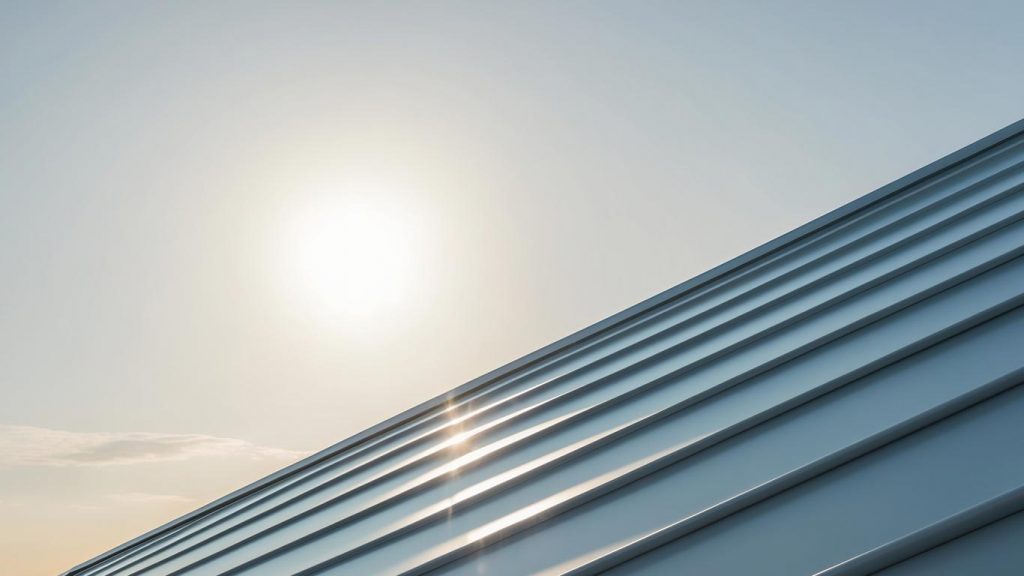
Steep-slope homes in Rockwall usually use asphalt shingles or metal. Many shingle manufacturers offer light, high-reflectance colors that qualify as energy efficient roofing, sometimes with Energy Star references or CRRC ratings. These shingles look like standard architectural products but reflect more solar energy. Light metal roofing with advanced paint finishes also delivers high reflectance and high emittance. It tends to last several decades with simple maintenance, and it sheds heat fast once clouds roll in.
On low-slope sections, common on additions and porch covers, reflective membranes and coatings shine. A white TPO or PVC membrane reflects sunlight and resists dirt build-up with routine cleaning. On older modified bitumen or built-up roofs in solid condition, an elastomeric or high-solids silicone coating can restore reflectivity without a full tear-off. SCR, Inc. uses high-solids silicone coatings and reinforced TPO membranes to create a seamless barrier against the Texas sun, with proper primer, seam tape, and flashing work to handle movement and standing water near scuppers.
Where a Cool Roof Pays Off Fast
A cool roof tends to deliver the biggest returns for homes that see long sun exposure, have large south and west-facing roof planes, and run their AC all day through September. Houses near Lake Ray Hubbard often fit this profile because water reflections increase radiant heat. Two-story homes with hot upstairs bedrooms feel clear comfort gains. Homes with large low-slope sections over living areas benefit as well, since those decks can run extra hot under dark or aging membranes.
If a roof is shaded by big oaks in Chandlers Landing or Buffalo Creek, the reflectivity benefit shrinks. If the attic has strong insulation and a well-sized heat pump, the savings may be modest. In these cases, homeowners may still want a cool surface to reduce heat aging and UV damage, but the energy payback will be slower. SCR, Inc. gives realistic ranges based on the home’s exposure, attic R-value, and HVAC age.
Commercial Note: Rockwall’s Warehouses, Retail, and Offices
Rockwall is a growing commercial hub. Buildings along I-30 and around The Harbor handle heavy sun, broad roof spans, and rooftop equipment. For these structures, cool roof systems offer both energy and equipment benefits. High-reflectivity membranes and coatings reduce the ambient temperature around rooftop RTUs, which protects compressors and reduces service calls during heat waves. Lower roof temperatures also slow the cycle of thermal shock that can open seams and damage flashing over time.
Proudly serving commercial property owners throughout Rockwall 75087 and the surrounding 75032 lakefront communities, SCR, Inc. installs reflective roof coatings, TPO, and PVC systems that match the building’s structure and business needs. Crews are often seen near The Harbor Rockwall and along the I-30 corridor. From large retail roofs in Northshore to office parks in Buffalo Creek, solutions focus on long-term reflectivity, water management, and leak resistance.
Materials That Stay Cooler in Texas Sun
Choosing material involves weather resistance, reflectance, and maintenance goals. TPO and PVC membranes lead for low-slope cool roofing. White TPO reflects a large share of solar energy, and PVC resists chemicals common near restaurants or industrial pads. Metal roofing with reflective finishes works on both low and steep slopes if the structure supports it. For roof restoration, silicone and acrylic coatings raise reflectance on aged membranes or modified bitumen while sealing hairline cracks and protecting against UV.
Key parts matter. Details like flashing around vents, secure seam tape on laps, primer on questionable surfaces, and proper scupper sizing keep a roof dry during downpours. Insulation board also plays a role. Polyiso and EPS boards add R-value and help regulate indoor temps. On commercial projects, a new cool membrane over added polyiso often yields steady energy savings and better comfort for workers under the roof deck.
How Cool Roofs Interact With HVAC
A cooler roof reduces heat gain into the attic and ductwork. If ducts are in a hot attic, the difference is measurable. Cooler supply ducts leak less energy, vent temperatures stay closer to spec, and the system cycles less often. For homes and commercial spaces with rooftop units, a reflective surface lowers the surrounding air temperature, which can extend the life of blower motors and compressors. Over time, this reduces maintenance surprises and keeps the system closer to design efficiency in peak heat.
SCR, Inc. has NATE-certified pros for HVAC overlap on commercial projects, which helps align roofing and mechanical plans. For homeowners, the team checks attic duct conditions, insulation, and sealing. An integrated plan prevents the “fix the roof, leave the attic leaky” problem that undermines energy savings.
What About Hail and Wind?
No roof stops hail. Material choice changes how a roof handles impact and how it recovers. Impact-rated shingles and thicker metal panels resist bruising better than entry-level products. Single-ply membranes come in different thicknesses; heavier gauges resist punctures better. Silicone coatings can self-shed small debris and resist UV, though sharp hail can still cause damage. Good insurance handling matters in Rockwall County where hail claims spike after spring storms. SCR, Inc. has former insurance adjusters on staff and works as insurance claim specialists for hail and wind events.
Wind-driven rain tests seams, edges, and flashing. This is where experienced installation matters more than surface color. Proper fastener schedules, edge metal, and reinforced flashing details keep water out when gusts hit across Lake Ray Hubbard and the open stretches near Fate and Heath.
Maintenance and Longevity
Cool roofs need routine care like any roof. Dirt and pollen lower reflectivity if left in place, especially near tree lines or busy roads. Periodic low-pressure washing helps keep reflectance high. For coated systems, annual inspections check for seam splits near penetrations, ponding water marks, and silicone thickness at low points. For single-ply membranes, crews look for uplift at edges, scupper clogs, and minor punctures. Catching a small issue in May can prevent a leak during a July thunderstorm.
A well-installed cool roof can last as long or longer than a dark roof of the same type, because heat aging slows. Silicone coatings often extend roof life by 10 or more years when applied over a sound substrate. TPO and PVC systems have typical lifespans in the 20-plus year range with maintenance. Metal can run several decades if coatings and fasteners are managed over time.
The Science Behind Solar Reflectance and Thermal Emittance
Solar reflectance is expressed as a fraction from 0 to 1. A value near 0.70 or higher reflects most solar energy. Thermal emittance also ranges from 0 to 1 and measures how well a surface releases heat. A high-reflectance, high-emittance roof stays cooler under sun and cools down faster after. CRRC-rated products publish both values so owners can compare apples to apples. Many cool roof systems carry Energy Star references and are tested to stay reflective after weathering.
SCR, Inc. uses a multi-layer approach for building performance. Where structure allows, added polyiso insulation increases the R-value under the membrane. Seams get reinforced with compatible tape and flashing, and penetrations around skylights, vent stacks, and RTU rails get special attention. The result is a tighter building envelope that reduces heat gain and protects against water intrusion.
Realistic Savings and ROI
Savings vary. In Rockwall, many homes see cooling cost reductions in the 10 energy efficient roofing to 20 percent range after a reflective roof paired with attic improvements, though results depend on shading, HVAC efficiency, and occupancy patterns. Commercial buildings with large low-slope roofs often see more noticeable reductions because the roof area is large and the HVAC runs long hours. A reflective coating on a sound but aging membrane usually costs less upfront than a full tear-off and can deliver a strong payback window. A full TPO or PVC replacement with added insulation has higher upfront cost but deeper long-term savings and fewer leak points.
The best way to estimate ROI is a site-specific inspection. SCR, Inc. offers a free thermal roof inspection using infrared thermal cameras to pinpoint hot spots, wet insulation, and energy loss paths. That data informs whether a coating, partial restoration, or full replacement makes the most sense.
Local Familiarity: Streets, Zip Codes, and Beyond
Rockwall’s growth near Lake Ray Hubbard shapes roofing needs. The Harbor sees steady retail traffic and broad rooftops with high solar exposure. The I-30 corridor includes warehouses and offices where rooftop temperatures can push HVAC systems to failure during heat waves. SCR, Inc. supports projects across Rockwall 75087 and lakefront 75032 areas, and in neighboring markets like Royse City, Rowlett, Wylie, Garland, Forney, Terrell, and Greenville. Crews understand wind patterns across open water, ponding spots at parapet corners, and vent stack counts on restaurants near the lake.
For homeowners in Stone Creek, Breezy Hill, and Buffalo Creek, the team pairs high-reflectance surfaces with attic ventilation checks and insulation upgrades. For mixed-slope homes at Shores on Lake Ray Hubbard and Chandlers Landing, solutions may combine reflective shingles on steep sections with reinforced TPO on low-slope patio covers and sunroom additions.
Brands and Warranties That Hold Up
Materials matter as much as workmanship. SCR, Inc. installs energy efficient roofing from brands homeowners recognize and trust. GAF, Owens Corning, CertainTeed, and Firestone Building Products all offer shingles and membranes with cool roof options. For high-performance commercial work, Duro-Last, Carlisle SynTec, Mule-Hide, Conklin Roofing Systems, and Sto Corp provide CRRC-rated membranes and coatings. As factory-certified installers for Duro-Last and GAF, SCR, Inc. can offer strong warranties, including NDL coverage on TPO and PVC systems in the commercial space, and GAF Master Elite backing for shingle installations.
For Flat Roof Restorations: What the Crew Actually Does
A typical restoration on a sound low-slope roof includes a thorough cleaning, repairs at seams and penetrations, primer on aged or smooth surfaces, and a multi-coat application of elastomeric or silicone membrane. High-solids silicone performs well in Rockwall sun and resists ponding water better than some acrylics. Reinforcement mesh may be set in details and transitions. Scuppers and drains get cleared and sometimes resized if evidence shows chronic ponding. The final coat cures into a bright, reflective surface that sheds UV and heat.
On a replacement, crews may remove the old membrane, install polyiso boards to raise R-value, set a reinforced TPO or PVC membrane with heat-welded seams, and flash all penetrations with compatible components. Seam tape and pre-formed flashing pieces reduce human error at tricky corners. The result is a clean, bright roof with strong reflectance and tight water control.
What About Solar Panels?
Cool roofing works with solar. In fact, a cooler roof can help panels operate closer to their best output since PV efficiency drops as temperature rises. For homeowners planning solar, it often pays to address the roof first to avoid panel removal later. SCR, Inc. coordinates with solar installers and can add blocking and mounts during roofing so panel rails hit structure and penetrations get sealed once.
Credentials and Local Trust
SCR, Inc. stands on quality and accountability. The company is BBB Accredited, GAF Master Elite, and CRRC aware for cool roof ratings. The team understands Energy Star references for reflective products and carries NATE certification for HVAC overlap on commercial projects. Former insurance adjusters on staff help property owners with hail and wind claims. As a member of The Good Contractors List with a $10,000 quality guarantee, SCR, Inc. backs its work on both residential and commercial roofs.
Quick Checks Before You Commit
- Ask for a thermal inspection to identify hot spots, wet insulation, and leak risks. Confirm CRRC ratings for reflectance and emittance on proposed materials. Review details for flashing, scuppers, and seam treatment in writing. If your attic is under-insulated, request an insulation and ventilation plan. Discuss maintenance steps and cleaning intervals to preserve reflectivity.
Energy Efficient Roofing FAQ
Does a cool roof lower A/C bills in Rockwall? Yes, in most cases. Lower roof surface temperatures reduce attic heat and indoor heat gain. Many Rockwall homeowners see noticeable comfort improvements and summer bill reductions, especially in two-story homes and homes with large west-facing roof planes. Savings vary based on shading, insulation, and HVAC condition.
What is the ROI on a reflective coating versus a full replacement? A coating on a dry, structurally sound roof often delivers a quicker payback with lower upfront cost. It boosts reflectivity and seals small cracks. A full TPO or PVC replacement with added polyiso costs more but often returns deeper, longer-term savings and offers a longer warranty. The best choice depends on the current roof’s condition, moisture content, and remaining lifespan.
Are there tax credits or local incentives for energy-efficient commercial roofing? Incentives change over time. Some energy-efficient upgrades, including insulation increases and reflective roofing, may qualify under certain programs. SCR, Inc. tracks current Texas and local utility incentives and will point out any available credits or accelerated depreciation options for commercial property owners.
Can a cool roof help rooftop HVAC units last longer? Yes. Lower roof temperatures reduce surrounding air temps near RTUs. That cuts compressor stress, limits nuisance trips, and can extend service life. Many facility managers report fewer summer emergency calls after switching to high-reflectivity membranes or silicone coatings.
Will a cool roof cause winter heating penalties? In North Texas, cooling season dominates. Heating penalties are minor compared to summer gains, especially with decent attic insulation. For most Rockwall homes and businesses, the net annual effect favors a cool roof.
How does ponding water affect cool roofs? Ponding stresses any roof. Silicone coatings handle intermittent ponding better than many acrylics. Proper slope, clean scuppers, and adequate drains are essential. SCR, Inc. evaluates slope and drainage and can add sumps or larger scuppers where needed.
What about dirt build-up reducing reflectance? It happens over time. Light, periodic cleaning restores reflectivity. Maintenance plans include wash schedules and inspections to keep performance high.
Ready to See the Data on Your Roof?
Schedule a free Thermal Roof Inspection with SCR, Inc. to pinpoint energy leaks and heat traps on your home or commercial property. The crew uses infrared thermal cameras to spot wet insulation, seam failures, and hot zones around penetrations. You will get a clear plan with photos, material options, and cost ranges.
For homeowners across Rockwall, Heath, Fate, and nearby Rowlett, Wylie, and Garland, SCR, Inc. delivers energy efficient roofing that holds up under Texas sun and storm. For commercial properties in Rockwall 75087 and 75032 near Lake Ray Hubbard, The Harbor Rockwall, and along the I-30 corridor, the team installs CRRC-rated TPO, PVC, and high-solids silicone systems from brands like Duro-Last, GAF, Mule-Hide, and Carlisle. Every project aims for cooler interiors, stronger roofs, and predictable maintenance.
Beat the heat. Protect the building. Cut wasted energy. Request your free energy audit and quote today.
SCR, Inc. General Contractors provides roofing, remodeling, and insurance recovery services in Rockwall, TX. As a family-owned company, we handle wind and hail restoration, residential and commercial roofing, and complete construction projects. Since 1998, our team has helped thousands of property owners recover from storm damage and rebuild with reliable quality. Our background in insurance claims gives clients accurate estimates and clear communication throughout the process. Contact SCR for a free inspection or quote today.
SCR, Inc. General Contractors
440 Silver Spur Trail
Rockwall,
TX
75032,
USA
Phone: (972) 839-6834
Website: https://scr247.com/, Storm damage roof repair
Map: View on Google Maps
Social Media: Yahoo Local